
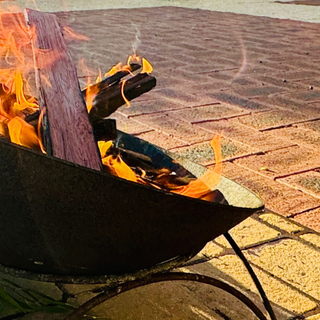
First Nations people are advised this page contains the name and image of a deceased person.
Rockingham, ngala kaaditj moondang-ak kaaradjiny nidja boodja, Binjareb wer Whadjuk Nyoongar moort, wer baalabang kalyogool dandjoo boodja, kep wer moort.
The City of Rockingham acknowledges the Traditional Owners and Custodians of this land, the Binjareb* and Whadjuk*, Nyoongar* peoples and their continuing connection to the land, waters and community. We pay our respects to all members of First Nations communities and their cultures; and to Elders past and present.
The City acknowledges that it sits on the boundary of the Whadjuk and Binjareb Nyoongar peoples territories. Given the many plentiful resources in the area particularly around the lakes system, the land and water has sustained many people over many thousands of years.
Additionally, the Rockingham municipality is entirely encompassed by the Gnaala Karla Boojaopens in a new window (GKB) Indigenous Land Use Agreement of the South West Native Title Settlement.
*While Nyoongar is identified as a single, spoken language, there are up to 14 different dialects and variations in both pronunciation and in the spelling of many words such as: Nyoongar, Whadjuk and Binjareb. Additionally, where the City uses the term Aboriginal it is intended to encompass all Aboriginal and Torres Strait Islander people. The City has utilised the services of the Noongar Boodjar Language Cultural Aboriginal Corporation for translations provided.
Reconciliation Action Plan
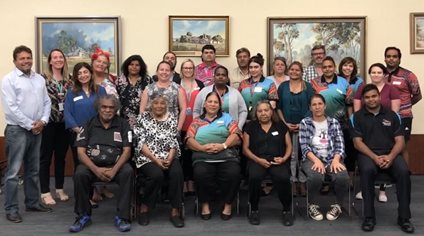 Our vision for reconciliation is an Australia that embraces unity between First Nations and the wider community, and a national culture that represents equality and equity, historical acceptance of our shared history and removal of negative race relations.
The City’s first Reconciliation Action Plan (RAP) was endorsed in 2011; making Rockingham one of the first local governments to participate in the program. The second RAP was endorsed in 2014 and this continued to build strong foundations for our work and community partnerships towards reconciliation.
The City’s third RAP, for the period 2021-2023, was endorsed by Reconciliation Australia in April 2021. The actions in the RAP have fostered the building of strong and authentic relationships, respect for culture and the development of opportunities aimed at optimising the way we work together with local First Nations people and organisations to create meaningful change for our community.
If you have any comments relating to the Reconciliation Action Plan, please contact us on 9528 0333 or email customer@rockingham.wa.gov.au.
Events
NAIDOC Week (National Aboriginal and Islander Day of Observance Committee) is formally acknowledged across Australia from the first Sunday in July to the following Sunday every year. NAIDOC Week celebrates the history, culture and achievements of First Nations peoples.
NAIDOC Week is celebrated by Australians from all walks of life. The week is a great opportunity to participate in a range of activities and to support your local First Nations community.
Every year a National NAIDOC Theme is selected which represents a significant history, value or aspiration for First Nations communities. NAIDOC Themes provide an opportunity for all Australians to share customs and rituals, enhance learnings, and to build relationships for individuals, groups and communities in a contemporary setting.
Some organisations and institutions may choose to hold their NAIDOC events at warmer times of the year as this may suit outdoor events or be more accessible for all age groups.
A key action included in the City's RAP is building respect for First Nations cultures and histories by celebrating NAIDOC Week.
National Reconciliation Week (NRW) is another opportunity for all Australians to learn about our shared histories and significant events, NRW motivates us to explore how each of us can contribute to achieving reconciliation in Australia.
The dates for NRW remain the same each year; 27 May - 3 June and commemorate two significant milestones in the reconciliation journey: the successful 1967 referendum; and the High Court Mabo decision respectively.
The 1967 Referendum saw Australians vote overwhelmingly to amend the Constitution to allow the Commonwealth to make laws for Aboriginal people and include them in the census.
The Mabo decision recognised that Aboriginal and Torres Strait Islander peoples have rights to the land - rights that existed before the British arrived and can still exist today. This was a turning point for the recognition of Aboriginal and Torres Strait Islander peoples’ rights because it acknowledged their unique connection with the land. It also led to the Australian Parliament passing the Native Title Act in 1993.
You can find out more about National Reconciliation Week at Reconciliation Australia and Reconciliation WA
Networks
Cultural Videos
We've developed a series of cultural videos explaining the Nyoongar stories, places and people significant to the Rockingham region in Western Australia.
